
No vitamin E in a $1,300 cream: NPR follows the free skincare sample
Caley Fox Shannon and Monika Evstatieva trace mall-store charges, tourist-visa sales staff and a lab test back to one company that would not talk to them.
 NPR
Story of
Why this story? The video opened at a pace of 134,224 views a day, 20 times a normal first day on this channel (6,796).
 The skincare sample is free. What happens next can cost thousands.
Things we can learn from the video
Press to jump
- 0:10The reporting began with an elderly man charged more than $42,000 for skincare products.
- 0:50Mary Ellen Eckhert and her son describe repeated credit-card charges at a mall kiosk reaching tens of thousands.
- 4:47Past federal prosecutions over salespeople brought in on tourist visas to sell cosmetics are revisited.
- 6:47NPR staff contact a recruiter, who indicates sellers are still being brought in on tourist visas.
- 9:17A Hawaii class action settled for $950,000 without any admission of liability.
- 12:16A lab test finds negligible active ingredients in a cream priced at about $1,300.
"What kind of a spa charges anyone $54,000?" Marc Eckhert asks. He is talking about his mother, Mary Ellen, a retired teacher. She tells NPR how skincare sellers at a mall ran her credit card again and again until the total reached tens of thousands of dollars. When she questioned a charge, she remembers being told, "Oh that happens all the time, don't worry about it."
The Eckherts are one family among many in a yearlong investigation by Caley Fox Shannon and Monika Evstatieva of NPR Investigations. It began with an elderly man billed more than $42,000 for skincare. The reporters went on to interview more than 50 people, from Michigan malls to Hawaii hotel spas. The stores had different names and owners, but the reporting traces many of the brands back to a single company near Los Angeles.
The report also covers past federal prosecutions involving salespeople brought into the country on tourist visas. When NPR staff contact a recruiter, the answers suggest the practice continues. A former salesman, speaking anonymously, puts it bluntly: "It doesn't change the fact that what we do is also a type of scam." When the reporters try for an interview at the company's offices, they are sent to its legal department.
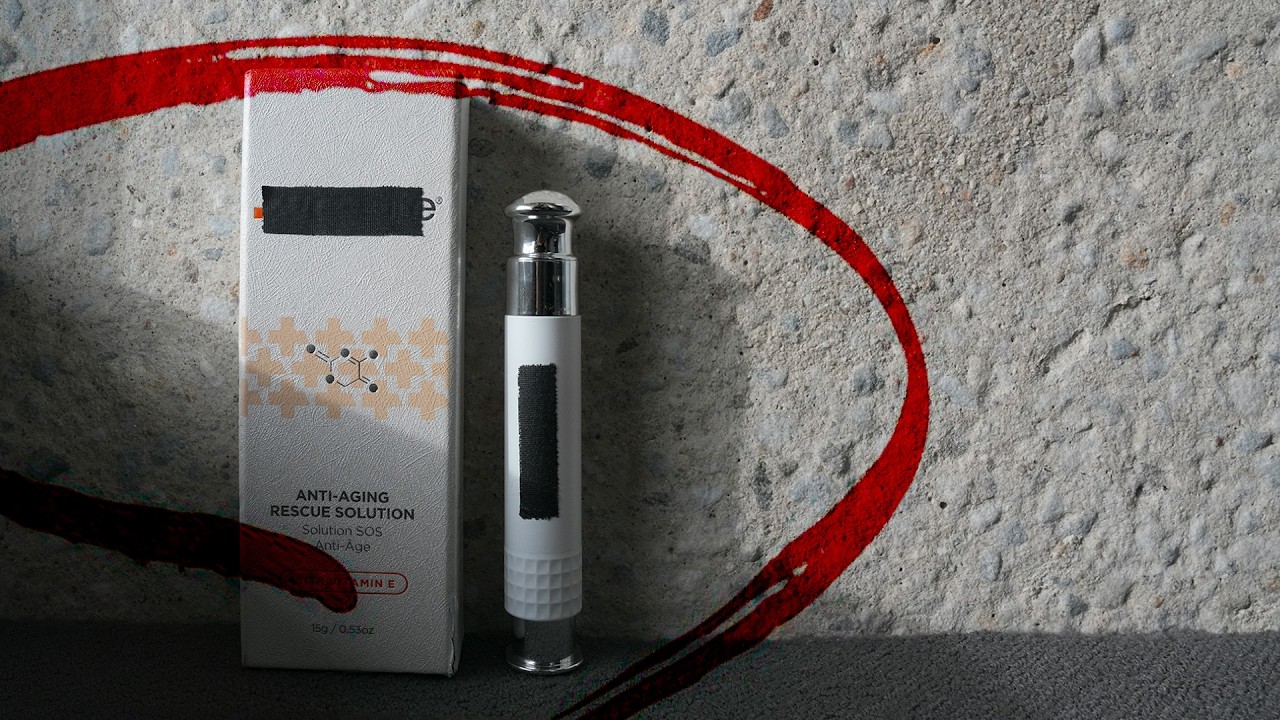
Then comes the lab. Pharmaceutical scientist Robert Munroe tests an anti-aging product sold for about $1,300. "We were not able to detect any vitamin E in this formulation," he says, and he puts the cost of its peptide at somewhere between 40 and 80 cents.
In less than a day the comment section has filled far beyond NPR's usual first day for a regular video. Many viewers remember the lotion kiosks of mall visits years ago, and others ask why consumer protection did not stop it sooner. The same day, NPR's interview with Volodymyr Zelenskyy also started fast, but the skincare story still drew the bigger crowd.
Published on Trari
Where next?


 Is this your channel?For the channel's owners and team: a ready picture, text and badge for your audience
Share the story with your audience. Everything is ready:
For an Instagram story or a WhatsApp status
For a community post or your channel's description
For your website

You may use the picture, the badge, and link it to this story.
- Channel
- NPR
- Subscribers
- 902,000 ▲ 5,000 this week
- Channel views, last 7 days
- 1,391,179
- Channel views, pace per day
- 63,066 (on a normal day: 361,465)
- Video published
- October 14, 2026
- Video views so far
- 121,657 (less than a day online)
- Video views, pace per day
- 134,224
The numbers
A long investigative report usually opens quietly on NPR's channel. This one did not, and its comment section moved even faster than its views.
