
Simple History explains the bags attached to Japanese rifles
"Japanese Gun Nets" turns firing-range cleanup into a history lesson that reaches back to early military aviation.
 Simple History
Story of
Why this story? The video opened at a pace of 134,987 views a day, 7.4 times a normal first day on this channel (18,228).
 Inside the Strictest Gun Range Rules in the World
Things we can learn from the video
Press to jump
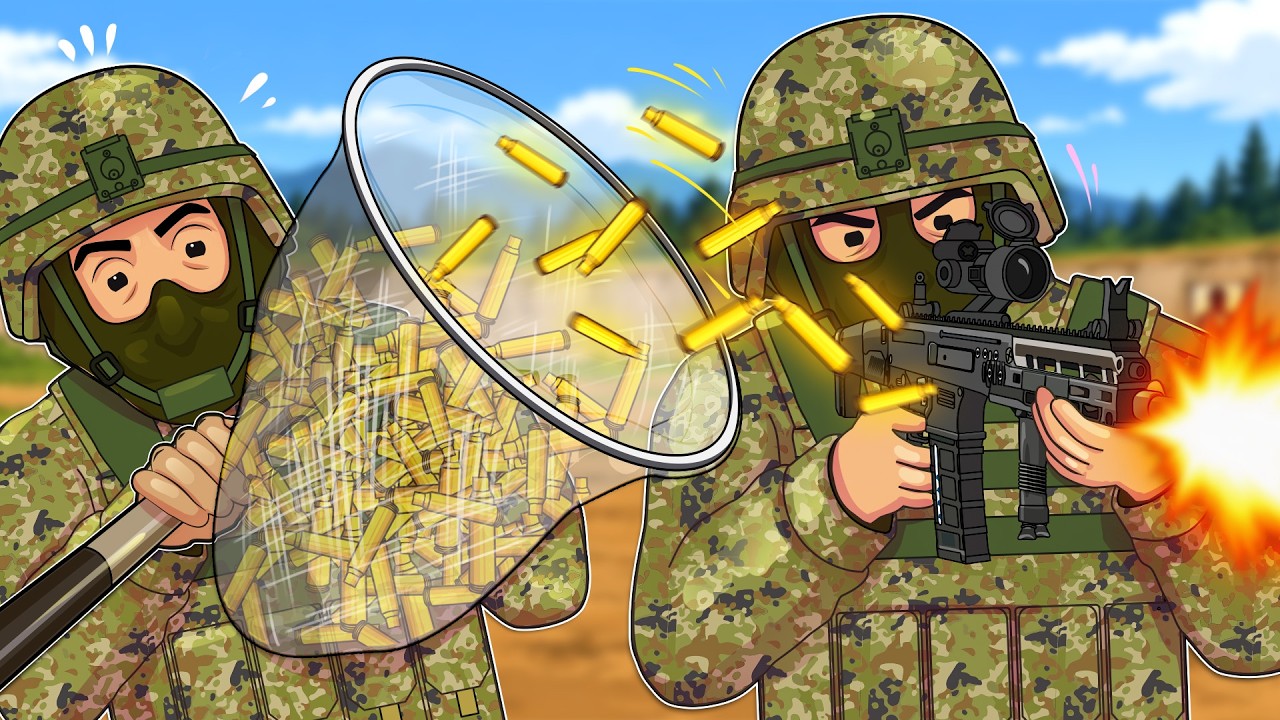
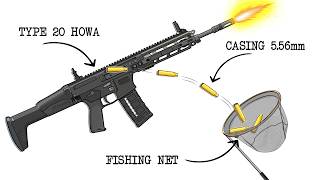
- 0:20Brass catchers attached to Japan's Type 20 rifle collect spent casings as they eject.
- 1:05Recovering casings supports ammunition accounting, metal recycling and firing-range cleanup.
- 1:42Soldiers search the ground during "police calling"; US Army accounting can use brass weight instead of individual counts.
- 4:51The narrator describes South Korean individual casing counts and an hours-long search for missing brass.
- 5:46Catchers add weight, and the episode raises concerns about training habits carrying into combat.
- 6:29World War I aircraft used collectors to keep ejected casings from striking propellers or pilots.
Picking up spent casings can take soldiers longer than anyone would like, especially when a few pieces go missing. Simple History's "Japanese Gun Nets" explains a small accessory designed to spare them that search: a bag that catches the brass as it leaves the rifle.
The animated explainer has drawn more than 100,000 views before its first day is over. Its early pace points to a first-day audience roughly seven times the channel's usual, a notably strong response to a subject that sounds more like housekeeping than military history.
Starting with Japan's Type 20 rifle, the narrator explains that collecting casings serves several purposes: ammunition accounting, recycling and keeping ranges clean. Without a catcher, soldiers may have to form a line and scan the ground, a task known as "police calling." The episode contrasts weight-based accounting in the US Army with individual counting in South Korea, including an anecdote about troops spending hours searching for a few missing casings.
There are drawbacks, too, including extra weight on the weapon. Viewers discuss that practical trade-off: one describes using a catcher at a shooting bench to simplify cleanup, while another raises the importance of keeping it clear of the weapon's controls.
The historical detour gives the humble bag a more urgent purpose. In World War I aircraft, loose casings could hit a pusher plane's propeller or a pilot. Simple History follows those early collectors to an improvised pistol case deflector, making this latest entry in its run of unusual firearm features about what happens after the shot.
Published on Trari
Where next?


What viewers say
If I'm at the bench, I use a brass catcher on most semi-auto rifles with picatinny rails. It helps with cleanup, and I've noticed the impact only starts to shift if the bag fills significantly and isn't propped up in any way. The bag is especially helpful with anything that likes to send brass into the next area code.
@TheColosissSee it on YouTubeA case-catcher is a good thing unless it’s hindering your aim or ability to operate the weapon.
@SteveBrownRocks2023See it on YouTubeA few good ideas to clear out the range sooner.
@luisemoralesfalcon4716See it on YouTube
1 more comment
A lot of civilian shooters also use brass catchers, the stuff is expensive.
@robertsmith4681See it on YouTube
Public comments from the video's page on YouTube
 Is this your channel?For the channel's owners and team: a ready picture, text and badge for your audience
Share the story with your audience. Everything is ready:
For an Instagram story or a WhatsApp status
For a community post or your channel's description
For your website

You may use the picture, the badge, and link it to this story.
- Channel
- Simple History
- Subscribers
- 5,120,000
- Channel views, last 7 days
- 2,766,960
- Channel views, pace per day
- 513,052 (on a normal day: 424,042)
- Video published
- October 13, 2026
- Video views so far
- 103,164 (less than a day online)
- Video views, pace per day
- 134,987
The numbers
The video's early audience is unusually large for a Simple History upload. The first-day estimate below reflects a start still in progress.

💡 Test your knowledge
Which country's military uses the Type 20 rifle featured in the video?
The episode introduces the Type 20 as a rifle used by the Japanese Self-Defense Forces.