
Graham Stephan unpacks the debt spiral behind higher mortgage costs
Ray Dalio's warning supplies the hook, but Stephan's response is less drastic than the video's title suggests.
 Graham Stephan
Story of
Why this story? The video opened at a pace of 523,723 views a day, 21 times a normal first day on this channel (24,861).
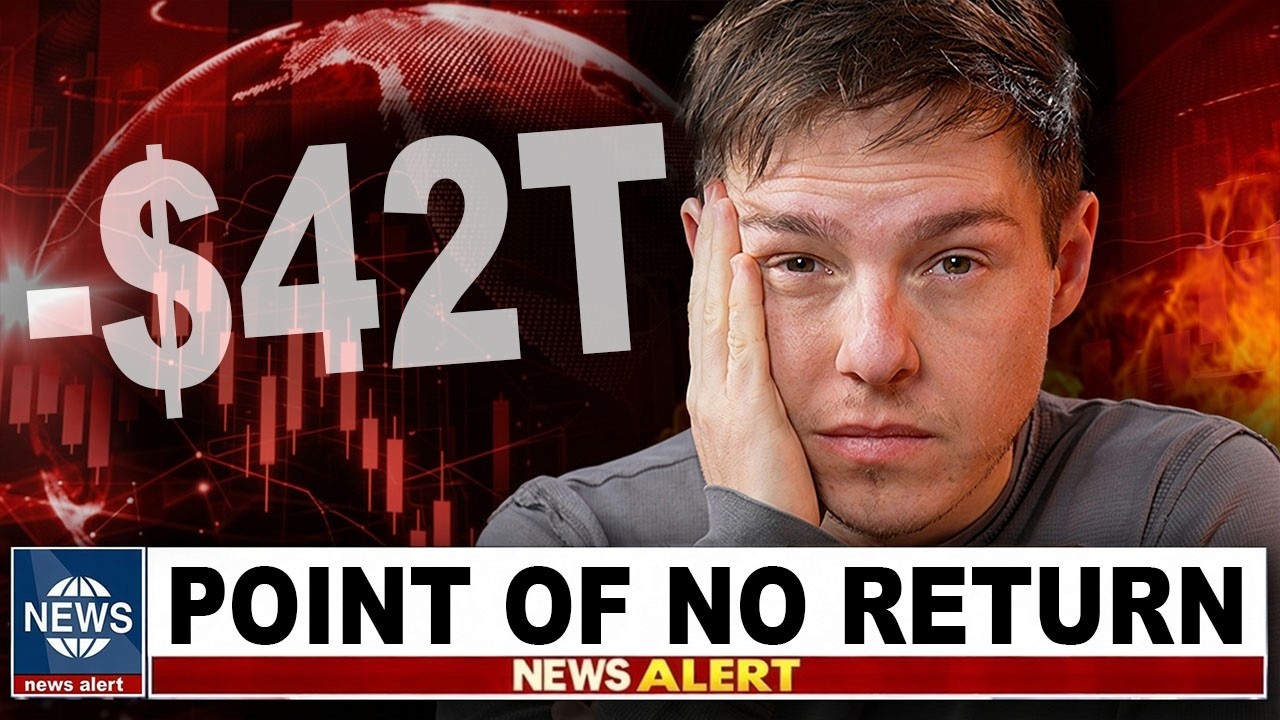 “America’s Debt Spiral Is Going To Implode Within 3 Years” - Ray Dalio’s Final Warning
Things we can learn from the video
Press to jump
- 1:23Stephan argues that rising interest payments make the national debt increasingly expensive to carry.
- 4:12He links weaker foreign demand, expanding Treasury supply and persistent inflation to pressure on government borrowing.
- 6:21A sponsored segment covers an online privacy service.
- 8:17Higher yields can pressure stocks, raise mortgage costs and create unrealized losses for banks, Stephan explains.
- 11:34He considers productivity-led growth and inflation as different ways the debt burden might shrink.
- 14:04Stephan describes holding Treasuries alongside index funds while weighing both bearish and bullish outlooks.
The debt warning drew attention. Graham Stephan's financial commentary picked up roughly 260,000 views in eight hours, far beyond the usual start for his longer videos.
The title, "America's Debt Spiral Is Going To Implode Within 3 Years" - Ray Dalio's Final Warning, promises a countdown. Stephan spends much of the video explaining the mechanism behind that warning: borrowing becomes more expensive, interest payments swell, and the government needs to borrow still more.
Dalio, the founder of investment firm Bridgewater Associates, appears in brief archival news footage. This is Stephan's analysis, not a new sit-down interview with him. Stephan connects the Treasury market to expenses closer to home, explaining how higher yields can push up mortgage costs and change the appeal of stocks.
That builds on his recent housing-market video and "It's Official: Americans Are Running Out Of Money," which examined pressure on household budgets. Here, he shifts from what consumers owe to what it costs the government to keep borrowing. The video also includes a sponsored privacy-service segment.
Viewers are discussing whether inflation can erode bond returns and questioning how confidently anyone can put a deadline on a debt crisis. Those are separate questions from whether interest costs matter, and the comments make that distinction worth keeping.
Stephan's own conclusion is not to prepare for an inevitable sudden collapse. He describes continuing to invest, holding Treasuries alongside index funds, and keeping a cash buffer rather than trying to predict the exact moment trouble arrives.
Published on Trari
Where next?


 Is this your channel?For the channel's owners and team: a ready picture, text and badge for your audience
Share the story with your audience. Everything is ready:
For an Instagram story or a WhatsApp status
For a community post or your channel's description
For your website

You may use the picture, the badge, and link it to this story.
- Channel
- Graham Stephan
- Subscribers
- 5,180,000
- Channel views, last 7 days
- 1,408,258
- Channel views, pace per day
- 162,500 (on a normal day: 262,012)
- Video published
- October 13, 2026
- Video views so far
- 260,847 (less than a day online)
- Video views, pace per day
- 523,723
The numbers
The video has already drawn substantially more views than Stephan's usual first day. Its projected first-day total is an estimate, not a completed day's count.

💡 Test your knowledge
Which institution issues US Treasury bonds?
The Treasury Department issues federal government debt, including Treasury bonds.