
Jasmin Laine asks Broken Country filmmakers what Canadians told them
The interview moves beyond political slogans to housing, healthcare and the filmmakers' account of a widening generational divide.
 Jasmin Laine
Story of
Why this story? The video opened at a pace of 79,065 views a day, 5.9 times a normal first day on this channel (13,294).
 "The Reality on the Ground Is Bleak" | Canada's Decline Is Worse Than Anyone Admits
Things we can learn from the video
Press to jump
- 5:02Metter says people across different demographics described failures in healthcare, jobs and housing.
- 6:29Werry argues that calling healthcare free obscures what Canadians pay through taxes.
- 10:51Werry describes researchers and legal reviewers checking the documentary's statistics before release.
- 28:22Werry contrasts established homeowners with younger adults facing insecure work and dwindling prospects of homeownership.
- 34:32The filmmakers say agriculture and national defense were left out, with enough material remaining for a series.
Owning a home once looked like a reachable milestone. In Jasmin Laine's interview with the filmmakers behind Broken Country, the fear that it no longer is becomes one of the clearest expressions of their argument about Canada.
The conversation drew roughly 79,000 views in its first day, nearly six times the channel's usual start. Rather than another commentary centered on exchanges between Trump and Carney, this episode gives the floor to documentary makers Mira Metter and Mike Werry and the experiences they gathered across the country.
Metter says people from different backgrounds repeatedly described systems that weren't working for them: healthcare, employment and housing. Werry draws a distinction between older homeowners who remain relatively insulated and younger working adults facing insecure jobs and little prospect of buying property. He says hopelessness kept surfacing in their interviews.
Laine also asks why criticism of Canadian institutions can be difficult to voice. Werry challenges the language of "free" healthcare by pointing to its tax costs, while Metter says the film sought to put everyday experiences ahead of party slogans. The filmmakers describe thousands of street interviews and a research and legal review process behind the documentary.
The episode includes a paid advertisement for Rumble Wallet.
Near the end, the guests explain that agriculture and national defense were among the subjects left out of the final cut. They say they have enough material for a documentary series, but describe the film's central purpose more simply: getting Canadians to discuss the problems openly.
Published on Trari
Where next?

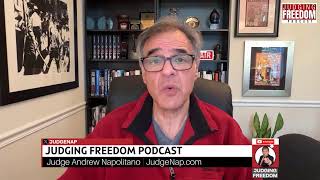

 Is this your channel?For the channel's owners and team: a ready picture, text and badge for your audience
Share the story with your audience. Everything is ready:
For an Instagram story or a WhatsApp status
For a community post or your channel's description
For your website

You may use the picture, the badge, and link it to this story.
- Channel
- Jasmin Laine
- Subscribers
- 232,000 ▲ 1,000 this week
- Channel views, last 7 days
- 1,040,599
- Channel views, pace per day
- 123,666 (on a normal day: 142,707)
- Video published
- October 17, 2026
- Video views so far
- 87,232 (2 days online)
- Video views, pace per day
- 51,530
The numbers
The Broken Country interview started well above Jasmin Laine's usual first-day views. That lift was specific to the upload: the channel's overall daily views remained below their usual level.

💡 Test your knowledge
Which documentary is the focus of Jasmin Laine's interview?
Laine interviews the filmmakers behind Broken Country about the experiences and arguments that shaped their film.