
Shuster and Mo'Kelly question Republicans' midterm advertising priorities
The Mark Thompson Show's fast-starting segment connects early turnout with a possible mismatch between campaign messages and voters' financial concerns.
 The Mark Thompson Show
Story of
Why this story? The video opened at a pace of 112,315 views a day, 9.2 times a normal first day on this channel (12,246).
 Mike Johnson Close to MENTAL COLLAPSE After Early Midterm Data Comes In
Things we can learn from the video
Press to jump
- 0:00Shuster presents early voting figures as evidence of a Democratic enthusiasm advantage in battleground states.
- 4:37Chuck Rocha argues that campaign advertising buys reveal which districts parties consider worth contesting.
- 7:42A CBS report contrasts Republican advertising on the border and crime with voters' concerns about prices.
- 11:15Shuster presents polling that he says shows Latino voters shifting toward Democrats.
- 14:59Bill O'Reilly questions pocketbook voting, prompting a rebuttal from Mo'Kelly about voters' immediate financial realities.
- 19:40A JD Vance campaign clip leads into criticism of Republicans' emphasis on social issues in Texas.
"There's something that doesn't lie in politics, and that is money placement and where you're going," Democratic strategist Chuck Rocha says in a clip played by David Shuster. For Shuster and Mr. Mo'Kelly, where campaigns spend is a revealing companion to what early voting suggests.
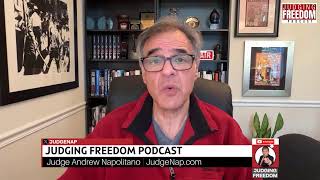
Their midterm discussion on The Mark Thompson Show drew about 109,000 views in twenty-two hours, far beyond the channel's usual first-day audience. Despite its Mike Johnson-focused title, the segment is principally an examination of turnout, advertising and the arguments Republicans are taking to voters.
Shuster opens with early voting figures he presents as evidence of stronger Democratic enthusiasm, then cites projections pointing toward Democrats retaking the House. Those are electoral forecasts, not results. Rocha's contribution shifts the discussion to campaign advertising buys and what withdrawals from competitive districts can reveal about a party's expectations.
The central contrast comes in a CBS News report: Republican television ads emphasize the border and crime, while voters identify inflation and prices as priorities. Shuster and Mo'Kelly argue that Republicans' messaging is failing to meet those pocketbook concerns.
A later clip sharpens that disagreement. Bill O'Reilly questions voters who put their financial circumstances ahead of his concerns about Democrats changing America. Mo'Kelly's response distills his argument about the campaign: "The reality supersedes the hypothetical."
Published on Trari
Where next?


 Is this your channel?For the channel's owners and team: a ready picture, text and badge for your audience
Share the story with your audience. Everything is ready:
For an Instagram story or a WhatsApp status
For a community post or your channel's description
For your website

You may use the picture, the badge, and link it to this story.
- Channel
- The Mark Thompson Show
- Subscribers
- 195,000 ▲ 1,000 this week
- Channel views, last 7 days
- 539,371
- Channel views, pace per day
- 45,363 (on a normal day: 94,925)
- Video published
- October 18, 2026
- Video views so far
- 109,435 (less than a day online)
- Video views, pace per day
- 112,315
The numbers
The segment approached nine times the show's usual first-day views before completing a full day. Comments also arrived far faster than usual.

💡 Test your knowledge
Which network's reporting appears in the segment's comparison of campaign ads and voter priorities?
The segment uses a CBS News report to contrast Republican advertising themes with voters' focus on inflation and prices.