
Hollywood veterans take second jobs amid layoffs and restructuring
The Ankler's Elaine Low tells CBS LA how the industry's corporate reset is reaching experienced crews and creatives.
 CBS LA
Story of
Why this story? The video opened at a pace of 42,700 views a day, 10 times a normal first day on this channel (4,160).
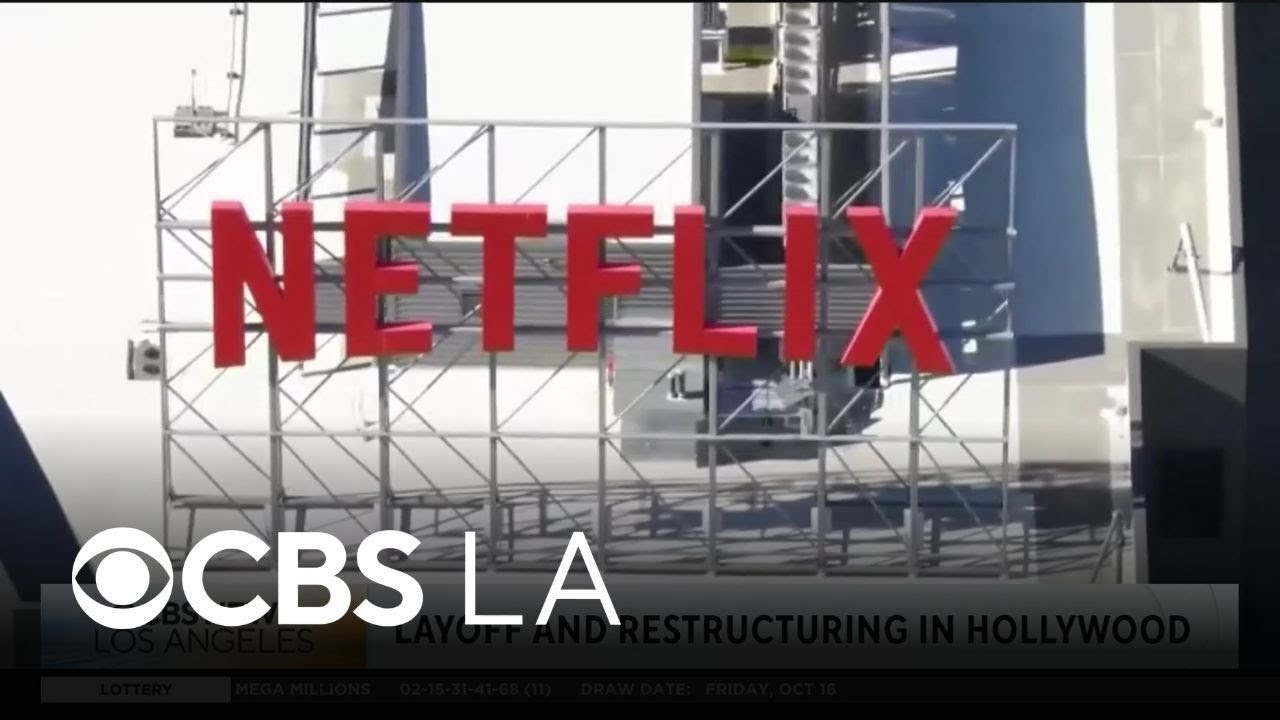 A discussion of layoffs and restructuring in the film industry
Things we can learn from the video
Press to jump
- 0:25Low describes Netflix executive changes as part of a major restructuring.
- 1:06Netflix's evolution into a traditional studio brings shareholder and Wall Street expectations, Low argues.
- 2:05Veteran crews and creatives are questioning career longevity and taking second jobs, according to Low.
- 3:13Productions choosing Ireland and New York illustrate the competition facing California.
- 4:15Low describes lobbying for federal tax incentives intended to keep production in the United States.
- 4:34The host describes agencies pushing streamers to spend half their budgets on independent productions.
Bartending and driving for Uber are becoming fallback work for Hollywood veterans who once relied on film and television jobs, Elaine Low tells CBS LA. Some are questioning how much longer they can stay in the industry at all.
The Ankler staff writer puts those accounts at the center of a discussion about layoffs, studio restructuring and productions leaving California. The interview drew roughly 22,500 views in its first nine hours, an unusually fast start for a regular CBS LA upload.
Low describes Netflix's evolution from a Silicon Valley disrupter into something closer to a traditional studio, subject to shareholder demands and Wall Street expectations. Executive shakeups are one part of that change. For the crews and creatives she speaks with, the more immediate issue is finding enough work to sustain a career.
The geography of production makes that harder. Low points to game shows filming in Ireland and competition from New York, raising a question that reaches beyond studio balance sheets: "Is Hollywood a place, or is Hollywood a state of mind?"
The distinction matters for Los Angeles workers whose livelihoods depend on productions happening nearby. The interview turns to efforts to keep that work in the United States, including lobbying for federal tax incentives. It closes with another proposed route to more production: the host describes Hollywood agencies pushing streamers to devote half their budgets to independent projects.
Published on Trari
Where next?



 Is this your channel?For the channel's owners and team: a ready picture, text and badge for your audience
Share the story with your audience. Everything is ready:
For an Instagram story or a WhatsApp status
For a community post or your channel's description
For your website

You may use the picture, the badge, and link it to this story.
- Channel
- CBS LA
- Subscribers
- 1,160,000
- Channel views, last 7 days
- 5,053,673
- Channel views, pace per day
- 471,897 (on a normal day: 714,552)
- Video published
- October 19, 2026
- Video views so far
- 22,494 (less than a day online)
- Video views, pace per day
- 42,700
The numbers
The interview made a much faster start than CBS LA's usual regular video. Its comment section also exceeded the channel's typical full first day before that day was over.

💡 Test your knowledge
What did Netflix originally send customers through the mail?
Netflix began as a DVD-by-mail service before building its streaming business.