
Duolingo's nagging owl offers a clue to brands getting weird
CNBC Make It's report connects mascot memes and TikTok pickles to a marketing strategy built around conversation rather than sales pitches.
 CNBC Make It
Story of
Why this story? The video opened at a pace of 41,357 views a day, 10 times a normal first day on this channel (3,935).
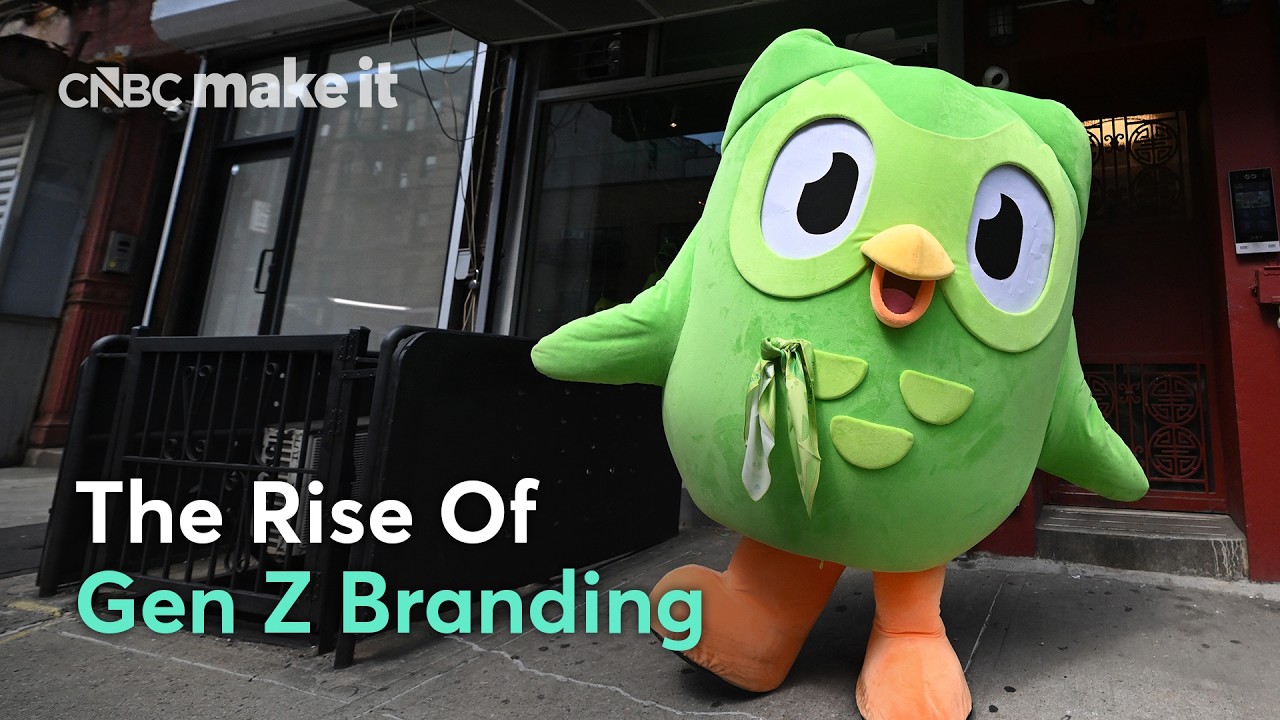 Why Brands Are Getting So Weird Online
Things we can learn from the video
Press to jump
- 1:46The analysts argue that cultural connection and identity matter more to Gen Z than traditional feature-focused advertising.
- 2:22Chan traces Duo's viral personality to jokes about the owl's threatening practice reminders.
- 3:56Chan's three strategies are community conversation, keeping pace with internet culture and self-aware humor.
- 5:11Good Girl Snacks' founders describe acquiring customers through organic TikTok content without paid acquisition costs.
- 6:28Bakhtiar explains why the pickle brand favors natural creator-style storytelling over overt sales pitches.
Duo's personality didn't begin with a perfectly polished marketing presentation. In CNBC Make It's report, Duolingo's Katherine Chan traces the owl's online character to jokes about its insistent practice reminders. The audience helped turn a notification into a personality.
That origin story sits at the heart of "Why Brands Are Getting So Weird Online," which has drawn roughly 29,000 views in its first half-day. Its projected first-day audience is about ten times the channel's usual start for regular videos.
Reporter Meg Sauer examines why companies are acting more like creators: replying to customers, joining memes and making themselves part of the joke. Marketing professor Americus Reed argues that getting attention isn't enough. Brands need permission to become part of a young consumer's story.
Chan makes the corporate awkwardness unusually clear: "There is like nothing less Gen Z than presenting a deck of like, here's how we're going to reach Gen Z." Her alternative is to converse with the community, keep pace with internet culture and have a sense of humor.
The report then moves from a language-learning owl to Good Girl Snacks. Co-founders Leah Marcus and Yasaman Bakhtiar describe selling pickles through organic TikTok storytelling, with Bakhtiar explaining why overt sales pitches can alienate their generation.
The comments introduce a useful tension. One viewer singles out the audience's role in inventing Duo's character; others ask whether playful marketing matters as much as product quality, or whether expensive purchases call for a more serious voice. Chan, for her part, keeps the business purpose explicit: the viral jokes are meant to bring more learners onto the app.
Published on Trari
Where next?


What viewers say
The detail about Duo's personality growing out of push-notification jokes is the best part. The audience helped invent the character before it became a whole marketing strategy.
@waitthatpaysSee it on YouTubeyeah maybe for inexpensive personal care products or pickles. when people spend $$$, they expect more seriousness/trustworthiness instead of memes lol
@bArda26See it on YouTubeBenn waaaiiiiting for this - I've noticed it for along time and don't have time to make one myself. Thank you for pointing it out
@4ourty5iveSee it on YouTube
Public comments from the video's page on YouTube
 Is this your channel?For the channel's owners and team: a ready picture, text and badge for your audience
Share the story with your audience. Everything is ready:
For an Instagram story or a WhatsApp status
For a community post or your channel's description
For your website

You may use the picture, the badge, and link it to this story.
- Channel
- CNBC Make It
- Subscribers
- 2,000,000
- Channel views, last 7 days
- 2,010,941
- Channel views, pace per day
- 440,815 (on a normal day: 230,036)
- Video published
- October 13, 2026
- Video views so far
- 28,557 (less than a day online)
- Video views, pace per day
- 41,357
The numbers
The report is starting much faster than CNBC Make It's usual regular upload. The first-day estimate is separate from the views it has already received.

💡 Test your knowledge
What does Good Girl Snacks sell in the report?
Sauer introduces Good Girl Snacks as a pickle brand built by Gen Z founders.